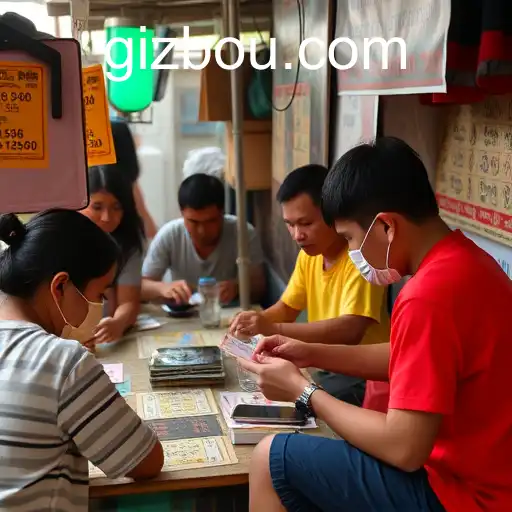
Understanding Jueteng: The Controversial Numbers Game
Jueteng is a popular yet illegal numbers game that has deep roots in the Philippines. An intrinsic part of local culture, jueteng operates as a grassroots lottery system. Its widespread acceptance across various communities contrasts sharply with its contested legality. The game has persisted over the years, adapting to societal changes and innovations, notably maintaining relevance in the era of online platforms such as pixmillion.bet.
The Mechanics of Jueteng
The structure of jueteng is both simple and captivating. Participants select a combination of numbers, usually ranging between one and thirty-seven. These numbers are then drawn at random from two sets of bolos, traditional implementing tools for selecting the winning combination. Despite its simplicity, jueteng generates significant excitement due to the high potential returns on minimal investments.
Handlers known as "cobradores" canvass neighborhoods, collecting bets from players. A part of their allure is their accessibility; residents can easily participate without needing to travel or navigate complex legal gambling systems. For many, this personal touch is part of jueteng’s charm.
Historical Context
Jueteng has a captivating history intertwined with the Philippines’ colonial past. Emerging during the Spanish occupation, it quickly ingrained itself in the nation’s rural fabric. Over time, jueteng transformed into an economy unto itself, sustaining communities and, paradoxically, breeding corruption and exploitation.
The game exemplifies the struggles between traditional practices and modern legal frameworks. Despite bans and crackdowns by authorities, jueteng has managed to survive through socio-cultural tenacity. It highlights the ongoing tension between national regulations and local customs.
The Role of Technology
As society advances, so does jueteng. The internet age has paved new pathways for illegal gambling, and platforms like pixmillion.bet illustrate this shift towards digital realms. Such platforms offer anonymity and convenience, complicating the regulatory landscape even further.
Online platforms pose new challenges for authorities seeking to control and regulate illegal gambling activities. The adaptability of jueteng is evident in its seamless transition from physical point-of-contact transactions to digital engagements. This evolution underscores the necessity for updated policy frameworks that can effectively address modern gambling challenges.
Societal Impacts
Jueteng impacts Filipino society on multiple levels. Economically, it acts as both a support system and a parasite. The revenue generated by jueteng provides livelihoods for the less fortunate, but it also siphons funds away from potentially constructive investments like education and infrastructure.
Socially, the game reinforces community bonds while simultaneously fostering avenues for criminal enterprise. It is a dual-edged sword that provides immediate gratification and solidarity at the potential cost of long-term instability and corruption.
Government and Legal Responses
Efforts to curtail the operation of jueteng have been persistent but largely ineffective. Task forces and operations are frequently mandated, yet these initiatives often unravel due to systemic issues and insufficient enforcement capacity. Meanwhile, proponents argue for the regulation rather than outright prohibition of jueteng, positing that legalization might bring needed oversight and redirect funds back into public coffers.
Despite these efforts, the resilience of jueteng poses a formidable challenge. Advocates for its continued operation point to its cultural significance, suggesting that local traditions could be leveraged for beneficial communal programs.
The Future of Jueteng
Predicting the future of jueteng involves understanding an intricate dance between legislation, cultural resonance, and economic reality. Legalization remains a divisive issue, with proponents advocating for regulated betting mechanisms that could integrate with governmental systems to alleviate exploitation while funding community development.
In this digital age, jueteng's survival might depend on its adaptability to incorporate technologies akin to those used in platforms like pixmillion.bet. This evolution will require thoughtful policy considerations to maintain a balance between regulation and respecting deep-seated cultural practices.
The dialogue around jueteng continues to evolve, mirroring larger conversations about the role of gambling in society and the balance between tradition and modernity. Whether through reform, regulation, or continued resistance, jueteng remains a steadfast symbol of the Philippines’ complex interplay of cultural traditions and legislative challenges.